Execution Lag Modeling
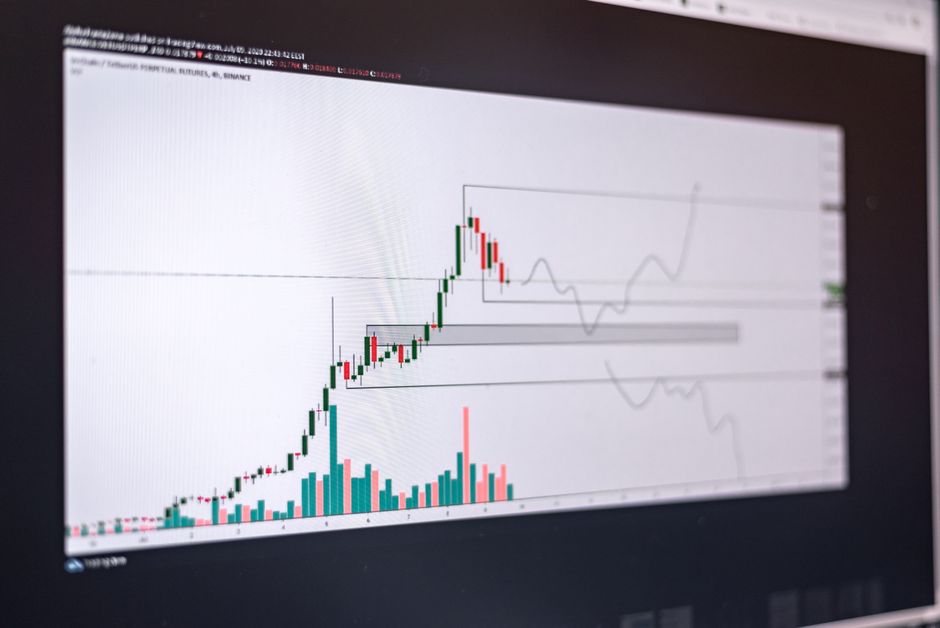
Many traders assume a signal at the breakout price results in a fill at that exact level. The data at orb trading backtest freshcornercafe shows that neglecting execution lag ruins an orb backtest by creating phantom profits. Real slippage occurs between the time the five minute range is defined and the moment the order hits the exchange.
The Mechanics of Signal Latency

A breakout signal is rarely instantaneous. Between the close of a candle and the arrival of a market order, the price moves. A signal generated on a 15 minute range requires a buffer to account for the time it takes for the price to breach a level and for the system to react. Without this delay, the model assumes a perfect entry that cannot exist in regular trading hours. Slippage is a mechanical reality of the market open. A model that ignores the gap between the signal and the fill creates a bias toward extreme success that disappears in live trading.
Modeling the Temporal Gap
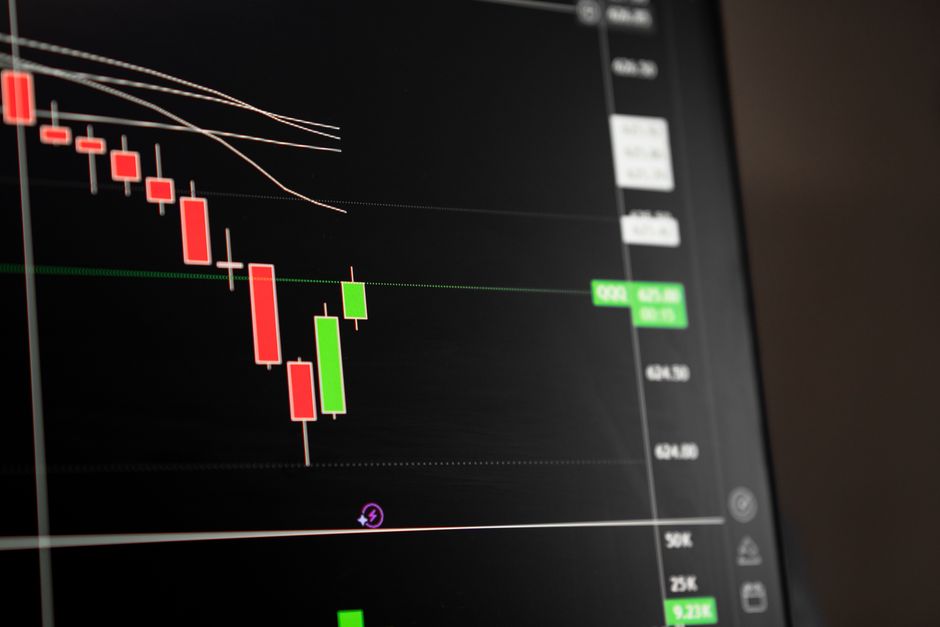
Effective modeling requires adding a fixed or variable delay to every trade. Instead of using the high or low of the opening range, a specific number of ticks or seconds should be added to the entry price. For a 30 minute range, the volatility often spikes at the moment of the signal. This volatility increases the likelihood of a poor fill. A backtest must simulate the price moving away from the trigger point during the processing time. A small delay of two ticks or a few seconds of latency often turns a winning strategy into a losing one.
Impact of Timeframe Selection
The chosen timeframe dictates the frequency and the nature of the lag. An intraday model using a 5 minute candle experiences different slippage profiles than one using a 60 minute candle. Smaller timeframes require tighter latency modeling because the price moves more significantly relative to the candle size. In a fast market, the distance between the signal and the actual execution grows. A model that lacks this distinction fails to capture the reality of the first hour of trading.
Volatility and Slippage Correlation
Slippage is not a constant value. It scales with volume and volatility. During the cash open, liquidity is high but price movement is aggressive. This aggression forces orders further away from the intended price. A robust model applies higher slippage during the first fifteen minutes of the session and reduces it during the mid day lull. Modeling this relationship prevents the overestimation of the edge. A static slippage value across the entire session is a mathematical error that leads to failed implementation.